Dentists' Role in Tackling Sleep Disorders
Many people are unaware that dentists play a crucial role in managing sleep disorders. Problems such as bruxism, snoring, and sleep apnea are closely linked to dental health. Bruxism, or the grinding of teeth, often occurs during sleep and can lead to significant dental damage. Additionally, the structure of the jaw and teeth can predict the risk of sleep apnea and snoring, making dental evaluations essential.
Understanding Bruxism and Its Impact
Bruxism is a common condition where individuals grind or clench their teeth unconsciously during sleep. This habit can lead to worn-down teeth, jaw pain, and even headaches. Dentists can identify signs of bruxism during regular check-ups and offer solutions such as mouthguards to protect the teeth.
The Connection Between Dental Structure and Sleep Apnea
Sleep apnea, particularly obstructive sleep apnea, is often linked to the physical attributes of the mouth. In non-obese adults, much of the obstruction occurs at the base of the tongue, which is connected to the lower jaw. By advancing the jaw slightly forward, dentists can create more space in the airway, reducing the symptoms of sleep apnea and snoring.
Treating Sleep Apnea with Dental Appliances
Mandibular advancement splints are a common treatment for sleep apnea. These custom-made devices are designed to hold the lower jaw forward, preventing airway obstruction during sleep. The most effective splints are those tailored to the individual by a dentist, ensuring a comfortable fit and maximum effectiveness.
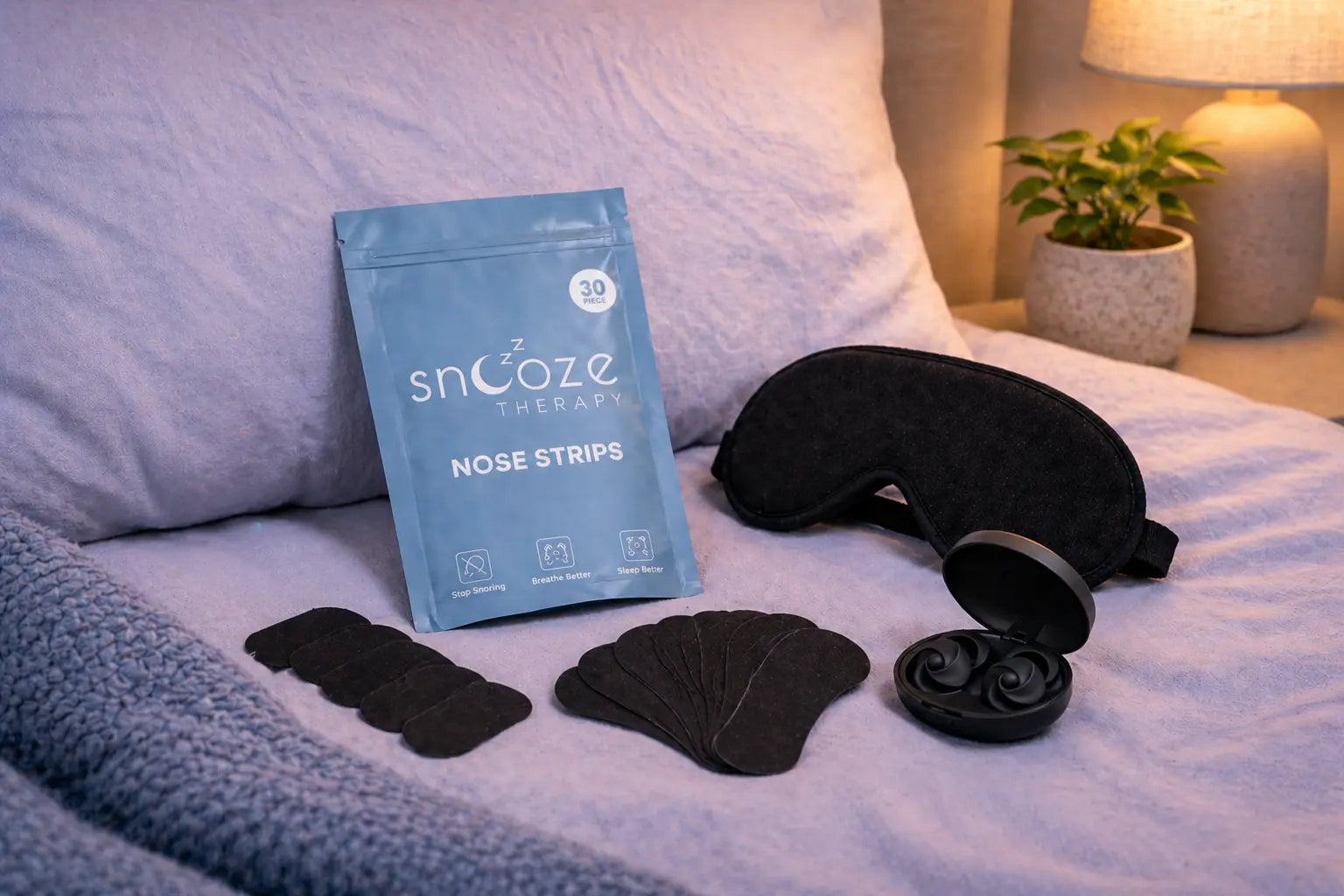
If you're pursuing a complete solution to enhance your sleep quality, consider the 3D Weighted Eye mask + Earplugs + Nasal Strips + Mouth Tape | Ultimate Sleep Reset. This product can complement dental treatments and improve overall sleep hygiene.
Why Dentists Ask About Your Sleep
During dental visits, you may be asked about your sleep patterns or snoring habits. This is because these issues can often be addressed through dental interventions. By understanding your sleep habits, dentists can provide targeted treatments that not only protect your teeth but also enhance your sleep quality.
How to Seek Help
If you suspect you have a sleep disorder, consult your dentist. They can assess your condition and recommend appropriate treatments, such as oral appliances or referrals to sleep specialists.
Steps to Better Sleep
- Visit your dentist for a routine check-up.
- Discuss any sleep-related issues you experience.
- Consider dental appliances if recommended by your dentist.
- Enhance your sleep environment with supportive products.
In Conclusion
By leveraging the expertise of dental professionals, you can address not just dental health but also improve your sleep quality. Dentists are an often overlooked resource in the management of sleep disorders, offering solutions that are both effective and non-invasive.
Not a medical treatment or substitute for care. Consult a professional for chronic sleep issues.