Baby Sleep Training: A Gentle Ritual for Peaceful Nights and a Happier Family
Baby sleep training is one of the most common challenges new parents face, especially during the first year. In the first months, understanding your baby’s natural rhythms and building a consistent baby sleep schedule can make sleep training baby feel less stressful and far more intuitive.
Why Baby Sleep Training Matters for Healthy Development
Baby sleep training is not about strict rules or forcing independence too early. Instead, it supports baby safe sleep, emotional regulation, and healthy brain development while helping parents regain rest and balance.
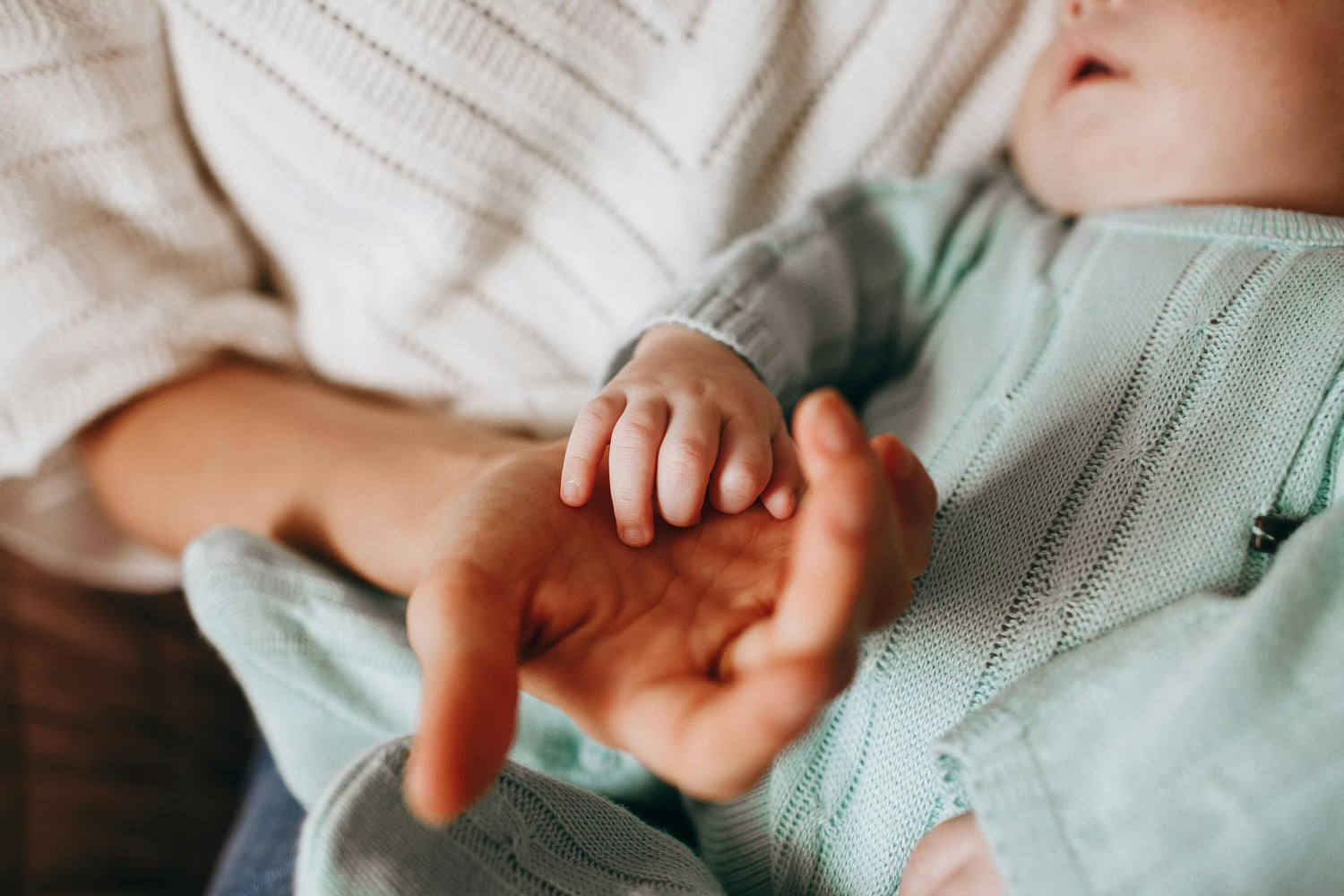
When babies follow a predictable baby sleep schedule, they tend to fall asleep faster, wake less often, and handle transitions more calmly. Parents also benefit from improved mental health, clearer routines, and reduced burnout.
Recognizing Sleep Cues and Preventing Sleep Regression Baby Phases
One of the most overlooked aspects of baby sleep training is recognizing early sleep cues. Babies rarely fall asleep easily once they are overtired.
Physical cues include droopy eyelids, slower movements, and relaxed limbs. Behavioral signs may include fussiness, eye rubbing, or shorter feeding sessions. Environmental cues—such as dim lighting and reduced noise—signal the brain that sleep is approaching.
Sleep regression baby stages, especially around 4 months, are completely normal. During these periods, consistency and calm routines become even more important than rigid schedules.
When to Start Sleep Training a Baby
Many parents ask: when to start sleep training a baby? Gentle methods are most effective after 5 months of age. At this stage, babies experience important developmental changes, including improved melatonin regulation and more mature sleep cycles.

Before 5 months, focus on responsive care, baby safe sleep practices, and exposure to consistent bedtime cues rather than formal sleep training.
Gentle Sleep Training Baby Methods That Build Trust
Gentle approaches like the No-Cry Method prioritize emotional security while gradually teaching independent sleep. Instead of leaving a baby to cry, parents slowly reduce sleep associations such as rocking or feeding to sleep.
Patience, consistency, and responsiveness are essential. This approach helps babies feel safe while learning to self-soothe at their own pace.
Creating a Baby Safe Sleep Environment
A calm sleep environment supports every stage of baby sleep training. Keep the room cool, dark, and quiet. Minimize clutter and overstimulation. Comfortable bedding and consistent lighting conditions help babies associate their sleep space with rest.
White noise, blackout curtains, and gentle bedtime rituals can all act as baby sleep aids without overstimulation.
The Little Dreamer Ritual: Natural Baby Sleep Aids That Support Rest
A powerful way to support baby sleep training is by creating a consistent sensory ritual. The Baby Sleep Spray & Organic Argan Oil – Bedtime Care Set + Snooze Guide is designed to help babies transition from active play to deep relaxation.
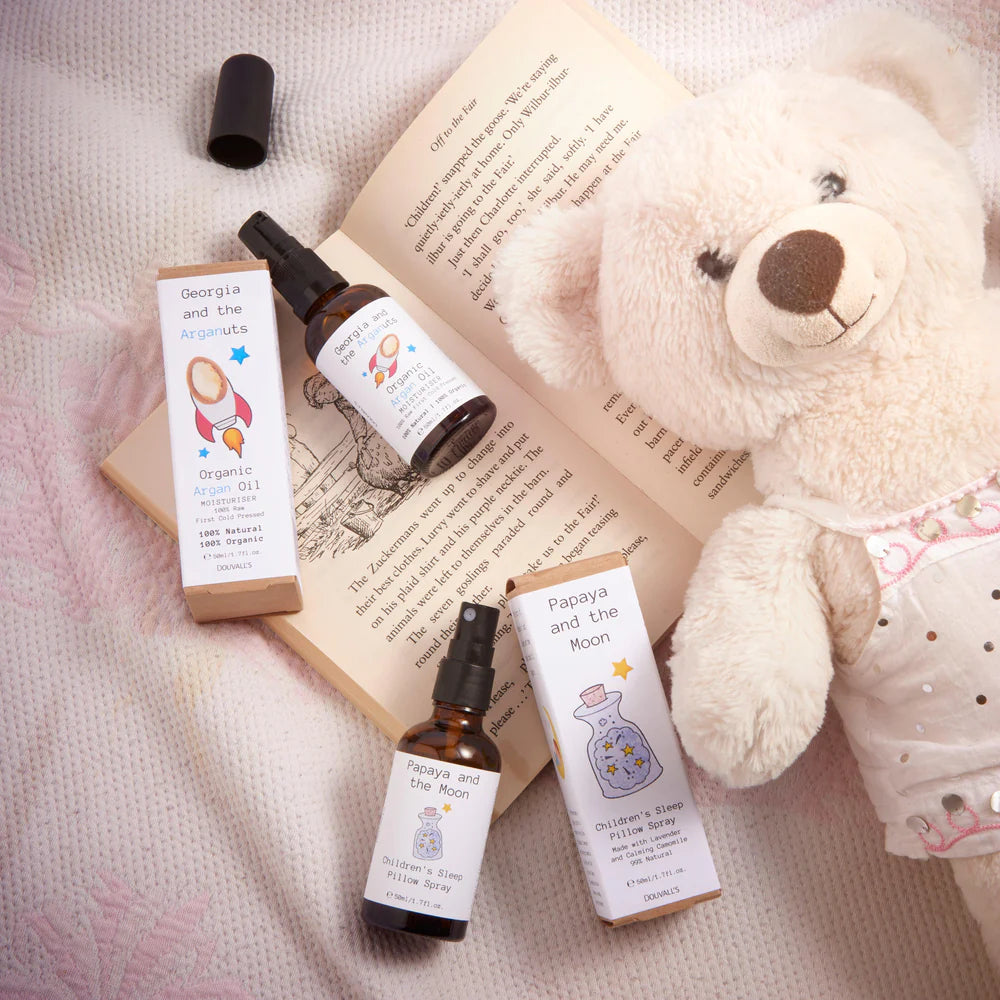
Organic argan oil massage relaxes muscles and calms the nervous system, while the natural sleep spray—infused with lavender, chamomile, and lemon balm—signals the brain that it’s time to rest.
In addition to the products, this kit includes our Snooze Guide—a step-by-step manual designed to help parents build healthy sleep patterns, understand baby sleep cues, and create a consistent bedtime routine with confidence.
Parents often notice reduced bedtime resistance, smoother transitions, and fewer disruptions during sleep regression baby phases.
Final Thoughts on Baby Sleep Training
Baby sleep training does not need to be harsh or overwhelming. By understanding your baby’s cues, respecting developmental timing, and using gentle baby sleep aids, you can build a baby sleep schedule that supports long-term healthy sleep.
With empathy, consistency, and calm routines, sleep training baby becomes less about struggle—and more about connection, confidence, and restful nights for the entire family.